The Layers of Indian Culture
- Religious — Hindu, Muslim, Sikh, Jain, Buddhist, Christian, Jewish
- Linguistic — 22 official languages, hundreds of dialects
- Regional — North vs South vs East vs West are utterly different
- Caste & community — still a quiet undercurrent of daily life
- Festival calendar — barely a week passes without a major festival somewhere
Festivals Worth Planning Around
Diwali (Festival of Lights) — October/November
The biggest festival. Five days of oil lamps, fireworks, sweets and gift-giving. Best experienced in a private home or at a heritage hotel hosting a celebration. Air pollution spikes the day after — plan accordingly.
Holi (Festival of Colours) — March
One day of throwing coloured powder. Magical to witness; can be intense to participate. Best places: Mathura/Vrindavan (the original), Jaipur, Udaipur. Wear clothes you'll throw away.
Pushkar Camel Fair — November
Five days of camel trading, folk performances and pilgrim bathing in Pushkar Lake. One of the most photographed events in India. Heritage tents fill 6 months ahead.
Onam (Kerala) — August/September
10-day Kerala harvest festival — flower carpets, snake-boat races, a traditional Sadhya feast served on banana leaves.
Authentic Cultural Experiences We Build In
- Home-cooked dinner with a Rajasthani family in their haveli
- Cooking class — Mughlai in Lucknow, Rajasthani in Jodhpur, South Indian in Cochin
- Block-printing workshop in Bagru (near Jaipur)
- Pottery with Bishnoi villages near Jodhpur
- Sufi qawwali at Nizamuddin Dargah, Delhi (Thursday evenings)
- Carnatic music recital in Chennai
- Kathakali performance in Cochin (with backstage make-up demonstration)
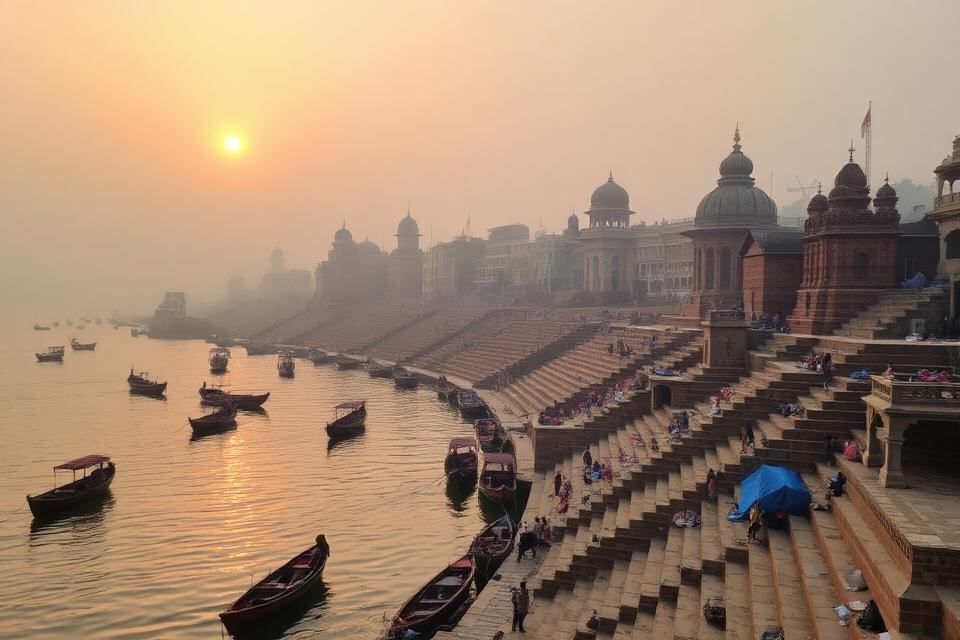
- Sunrise yoga + Ganga Aarti in Rishikesh or Varanasi
Food as Culture
India has perhaps the richest vegetarian food tradition on Earth. Each region has a distinct cuisine — Mughlai (North), Rajasthani (desert), Goan (Portuguese influence), Keralite (coconut, fish), Bengali (sweets), Gujarati (sweet thali). Don't try to "do all India food" in two weeks; pick the regions you visit and go deep.
Music and Dance
- Hindustani classical (North) — sitar, tabla, sarod
- Carnatic classical (South) — veena, mridangam
- Bharatanatyam, Kathak, Odissi, Kathakali — each a distinct dance form
- Sufi qawwali — devotional music best heard live at a dargah
How to Engage Respectfully
- Always ask before photographing people
- Cover shoulders and knees at religious sites
- Remove shoes before entering temples and homes
- Never point feet at people or religious icons
- Eat with the right hand
- Accept hospitality graciously — refusing food can offend